AtezoBridge
Connecting biosimilar development, patient stratification, and access strategy for more affordable oncology care.
PHARMANOVA ITB 2026
1st Winner - Pharmaceutical Industrial Case Study
February 2026
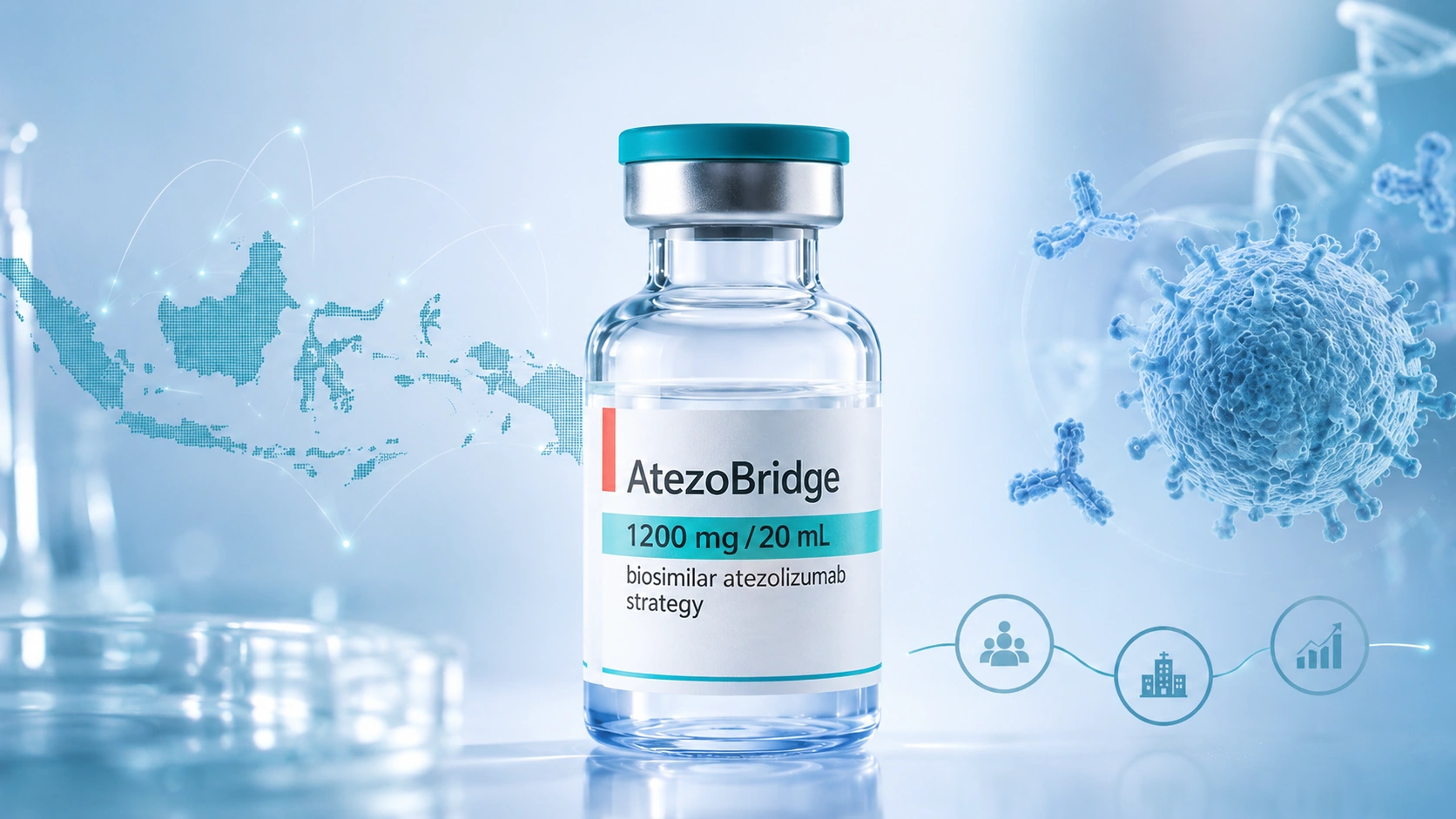
Problem
High-cost monoclonal antibody immunotherapies present severe financial barriers for national healthcare systems, while bioprocess complexity requires rigorous quality-by-design comparability to ensure safety and affordability.
PROJECT OVERVIEW
At a glance
Challenge
High-cost immunotherapy access and bioprocess complexity
Approach
Integrated biosimilar product and access strategy
Focus
Bioprocess engineering, QbD, patient selection, and affordability
Outcome
Conceptual roadmap for integrated biosimilar implementation
PROJECT CONTEXT
Why AtezoBridge was developed
High-cost monoclonal antibody immunotherapies have revolutionized oncology care, yet their high development and manufacturing expenses create substantial financial barriers for national healthcare systems and patients. While biosimilar biologics offer a viable pathway toward improved affordability and expanded treatment reach, realizing their full impact requires an integrated approach that connects molecular understanding with bioprocess engineering, quality control, and clinical implementation.
AtezoBridge was developed as a conceptual biopharmaceutical industrial strategy centered on biosimilar atezolizumab. Rather than treating biosimilar development purely as a manufacturing exercise or a regulatory exercise, the strategy connects bioprocess optimization, quality-by-design frameworks, biomarker-guided patient stratification, and staged healthcare system access to build a sustainable model for affordable oncology care.
This project presents a concept-stage integrated biosimilar strategy. The vial imagery is illustrative, and the work does not represent an approved commercial product or completed clinical development program.
MECHANISM OVERVIEW
How the therapeutic mechanism informs the strategy
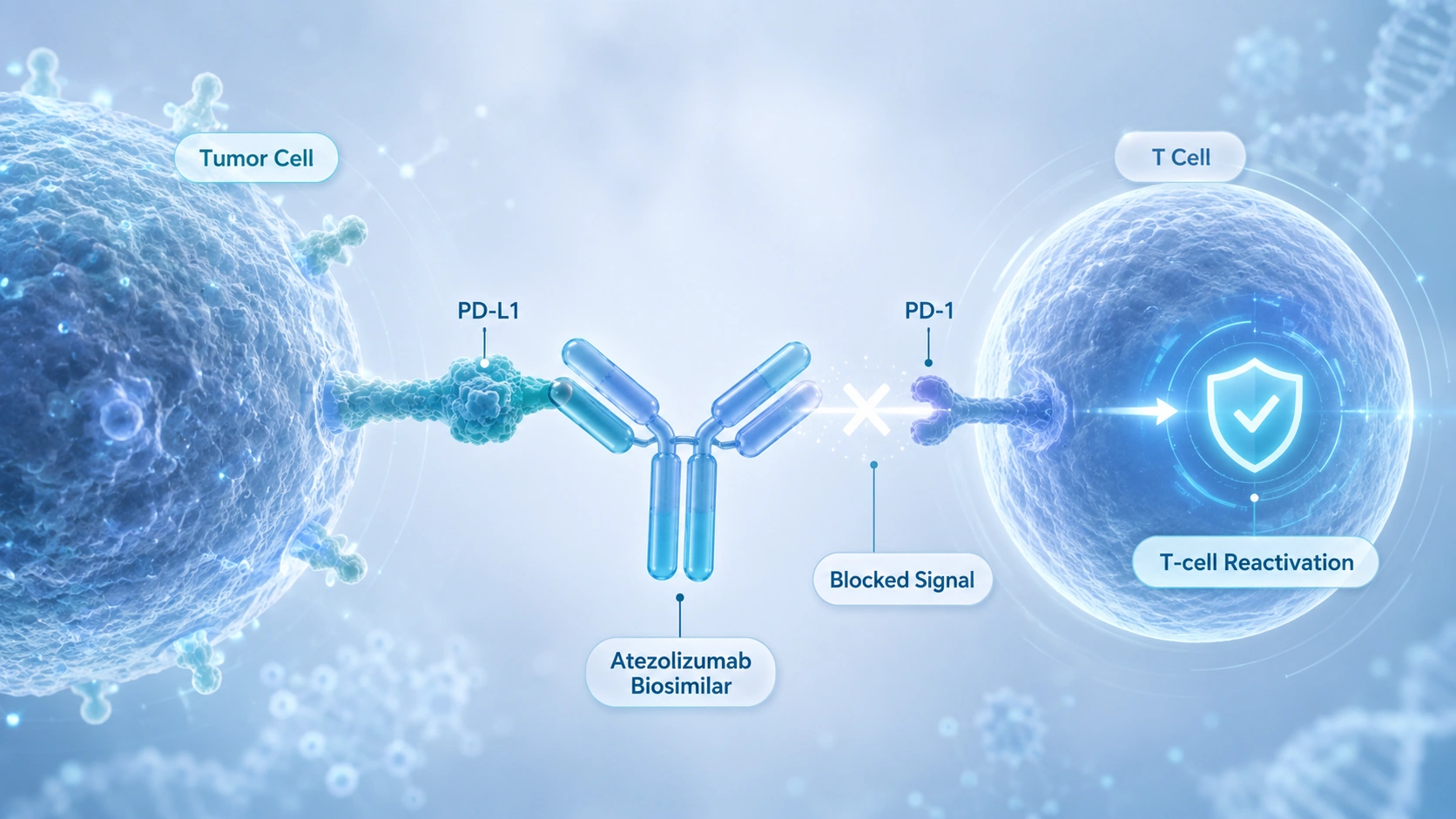
Programmed death-ligand 1 (PD-L1) checkpoint inhibition
Atezolizumab is a monoclonal antibody engineered to target programmed death-ligand 1 (PD-L1), blocking its interaction with PD-1 and B7.1 receptors on T cells and antigen-presenting cells. By preventing tumor cells from exploiting the PD-L1 pathway to suppress immune surveillance, checkpoint inhibition reactivates cytotoxic T-cell responses against tumor tissue.
Mechanism-driven product positioning
Understanding the biological target and immune mechanism is essential for defining critical quality attributes and establishing analytical comparability. In biosimilar planning, target binding affinity, Fc-receptor interactions, and effector function profiles dictate the analytical and functional testing battery required to prove biosimilar similarity to the reference product.
STRATEGIC ARCHITECTURE
Integrated biosimilar strategy
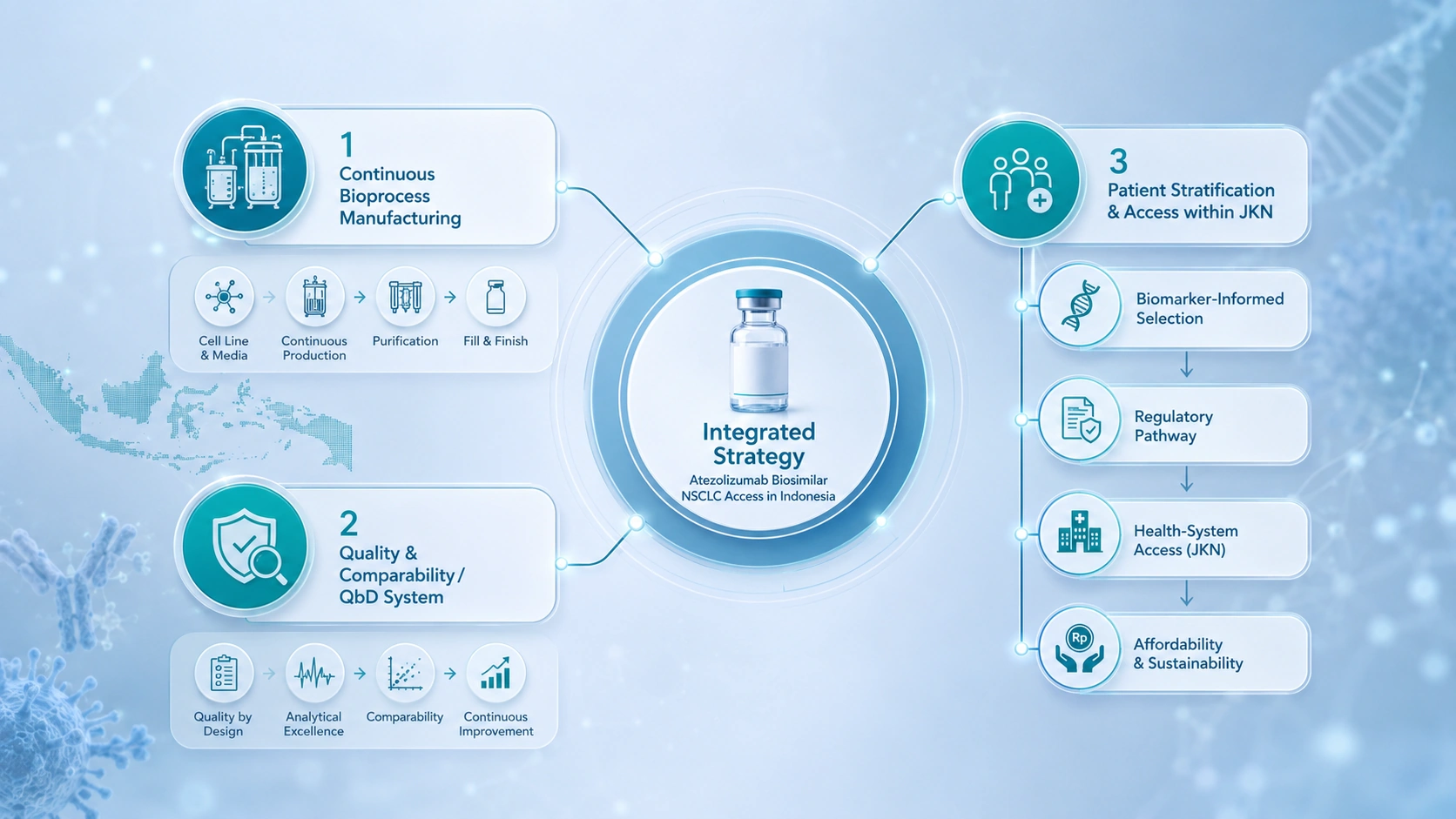
AtezoBridge establishes a systems-level framework connecting five core pillars of biopharmaceutical development:
Molecule and therapeutic mechanism understanding - Defining biological activity and target interactions
Bioprocess engineering and manufacturing - Optimizing upstream expression and downstream purification
Quality-by-design (QbD) framework - Establishing critical quality attributes and process control
Biomarker-guided patient stratification - Identifying clinical subpopulations for optimal therapeutic impact
Health-system access roadmap - Structuring affordability, reimbursement, and staged implementation
BIOPROCESS SYSTEM
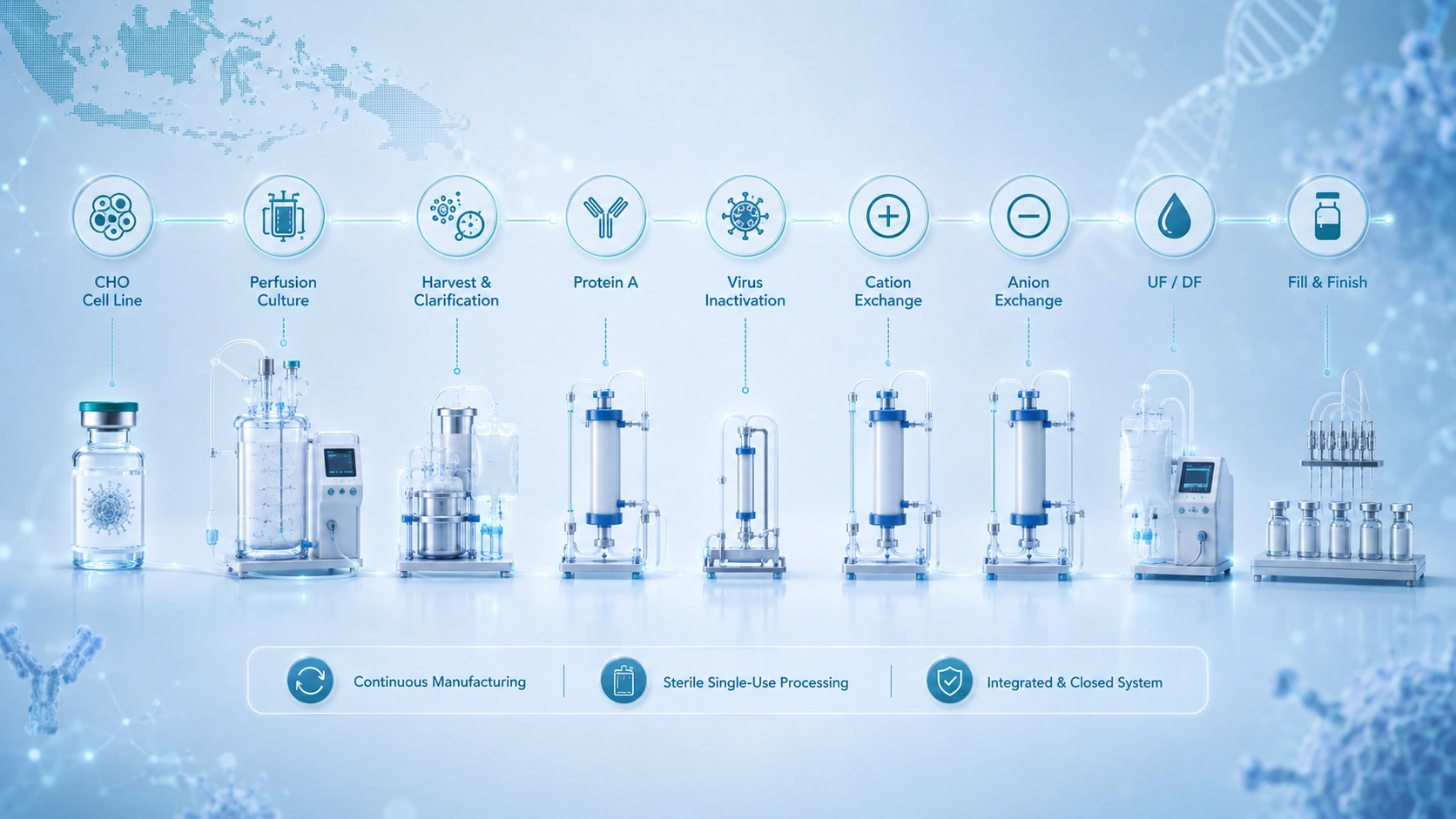
Bioprocess development system
Upstream bioprocessing optimization
High-titer Chinese Hamster Ovary (CHO) cell line selection paired with fed-batch or continuous perfusion bioreactor systems maximizes volumetric productivity while maintaining glycosylation consistency and cell viability.
Downstream purification efficiency
A multi-step chromatography sequence - combining Protein A affinity capture with ion exchange and hydrophobic interaction chromatography - ensures efficient removal of host-cell proteins, host-cell DNA, and high-molecular-weight aggregates.
Process consistency and scalability
Process analytical technology (PAT) tools and automated parameter monitoring maintain tight environmental control across temperature, pH, dissolved oxygen, and nutrient feeds, securing batch-to-batch reproducibility.
QUALITY STRATEGY
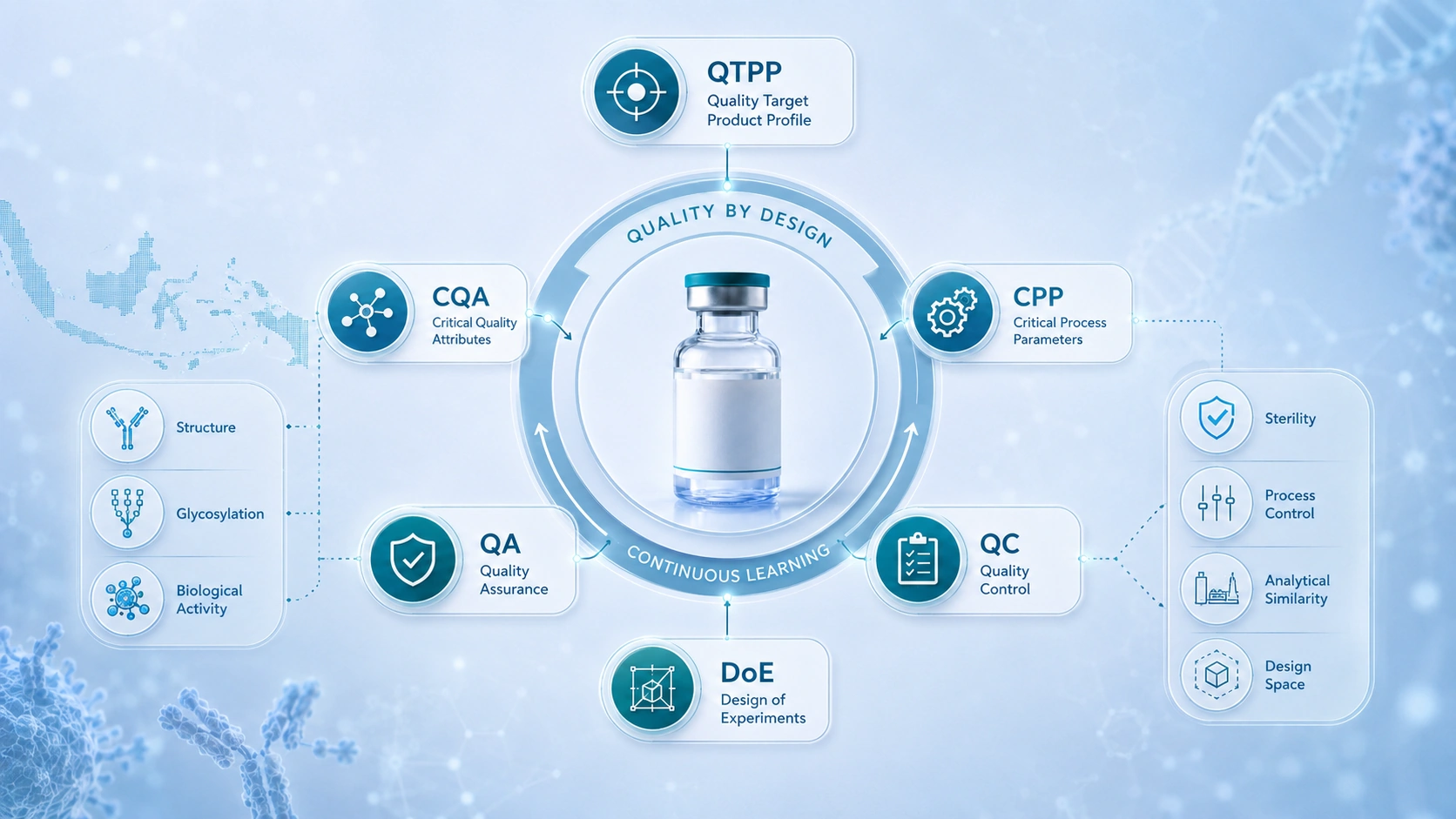
Quality-by-design framework
Critical Quality Attributes (CQAs)
QbD methodology identifies primary amino acid sequence, higher-order structure, N-glycosylation profiles (afucosylation, galactosylation), charge variants, and aggregate levels as CQAs directly influencing efficacy and safety.
Risk assessment and design space
Failure Mode and Effects Analysis (FMEA) maps process parameters against CQAs to define an optimized operational design space that maintains product quality within strict comparability boundaries.
Comparability demonstration
Orthogonal analytical techniques - including mass spectrometry, capillary electrophoresis, and surface plasmon resonance (SPR) - confirm analytical and functional fingerprint similarity to the reference biologic.
PATIENT STRATIFICATION
Patient stratification approach
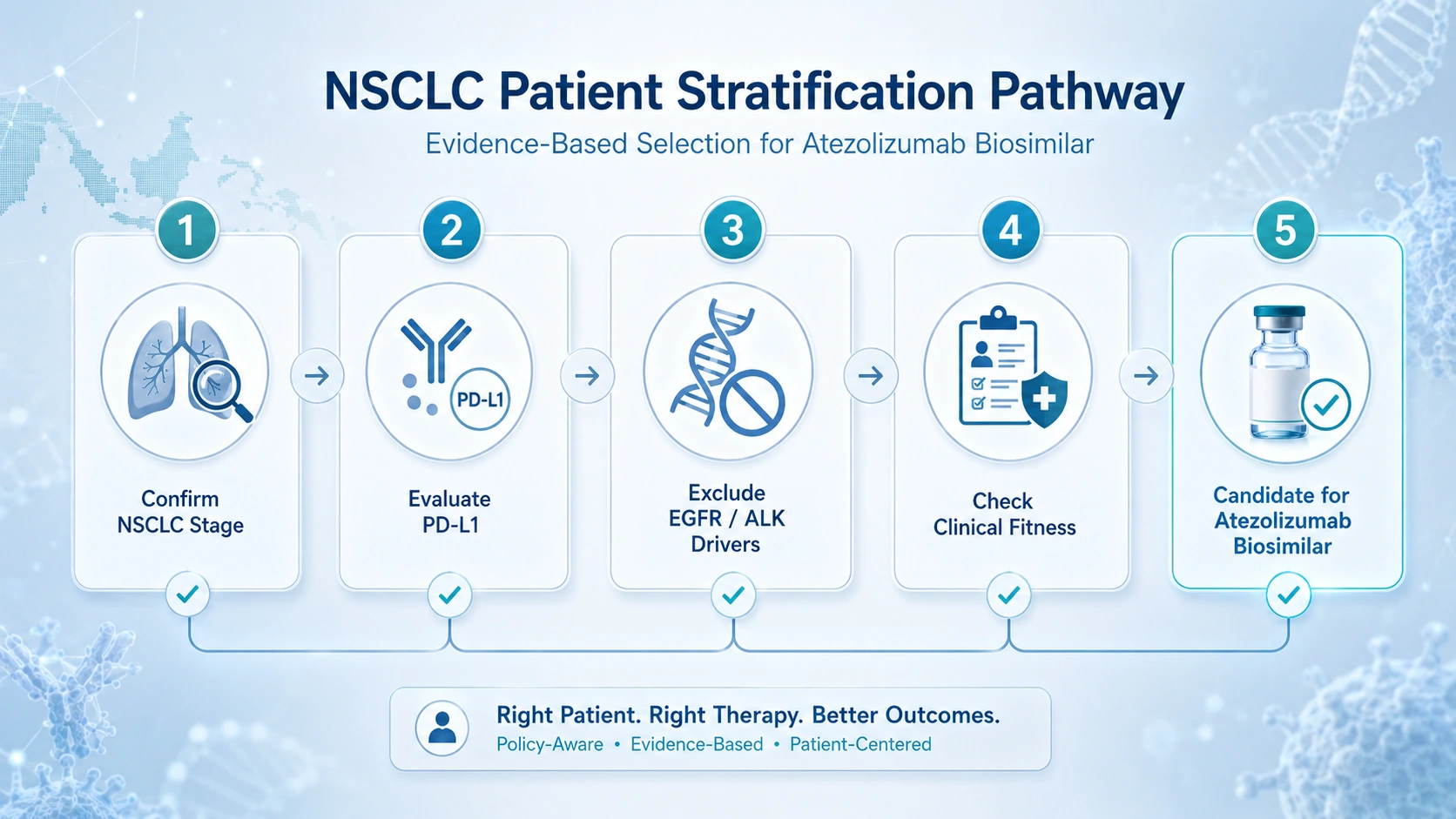
Biomarker-guided clinical selection
Immunotherapy response varies significantly across patient populations. Immunohistochemistry (IHC) screening for tumor-infiltrating immune cell and tumor cell PD-L1 expression levels identifies patients most likely to experience therapeutic benefit.
Non-small cell lung cancer (NSCLC) focus
Stratifying NSCLC patients by PD-L1 expression status optimizes clinical response rates, reduces non-responder treatment burden, and strengthens the cost-effectiveness rationale within national healthcare systems.
Scientific precision in treatment access
Connecting biomarker diagnostics directly to biosimilar adoption ensures that clinical decision pathways remain evidence-based and aligned with patient needs.
ACCESS ROADMAP
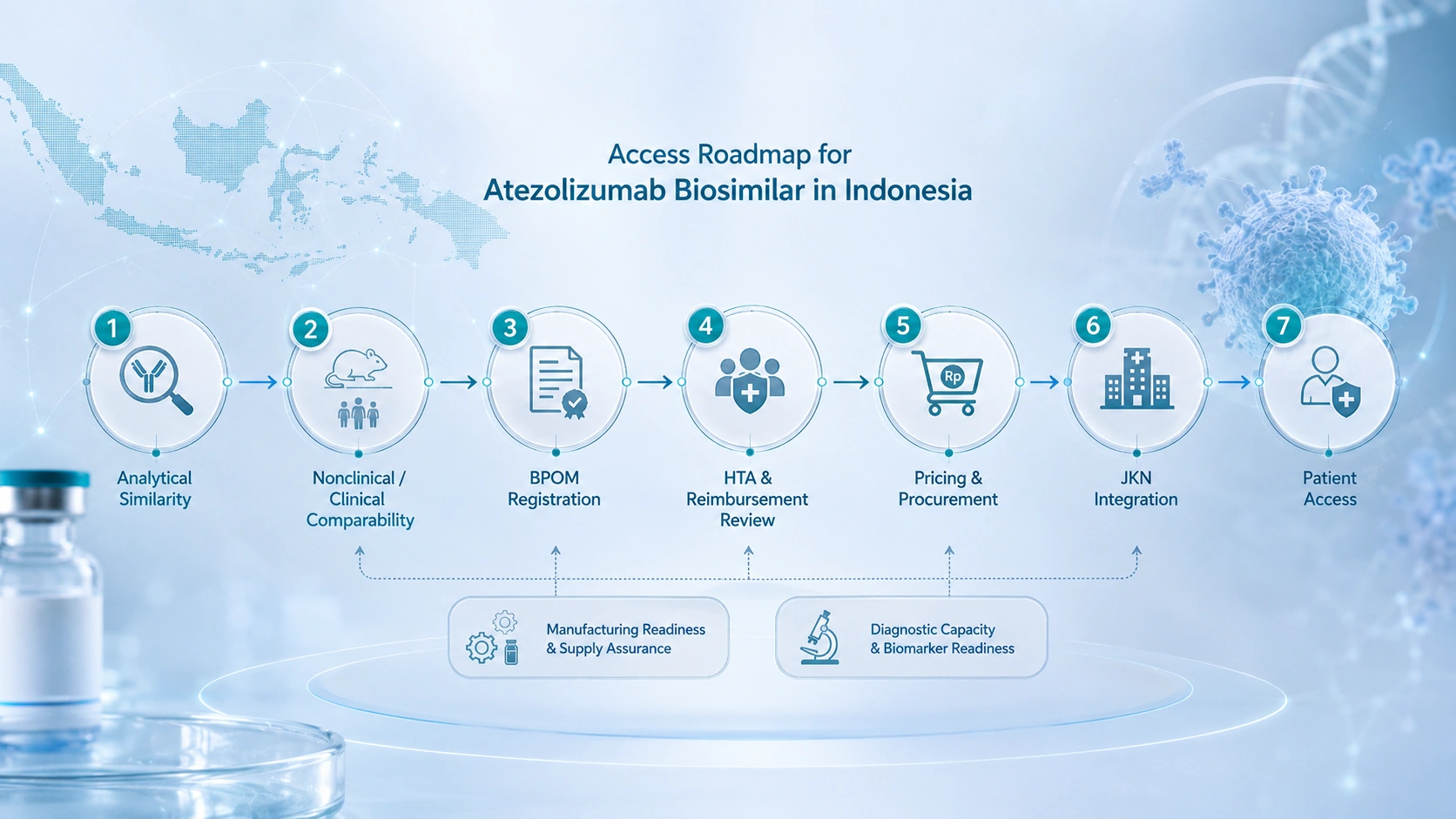
Access and implementation roadmap
Staged healthcare integration
A phased implementation model coordinates regulatory comparability review, local manufacturing partnership, health technology assessment (HTA), and clinical guideline inclusion.
Health economics and system affordability
Biosimilar cost reduction combined with targeted patient stratification minimizes budget impact for national insurance programs, enabling sustainable access to advanced biologics.
Expanding oncology treatment reach
By addressing cost barriers and supply chain stability, the roadmap supports broader, equitable distribution of life-saving immunotherapies.
FINAL CONCEPT
Project outcome
AtezoBridge demonstrates how biopharmaceutical R&D, process engineering, quality design, biomarker stratification, and access strategy can be unified into a single coherent framework to address high-cost oncology care challenges.
This project presents a concept-stage integrated biosimilar strategy. The vial imagery is illustrative, and the work does not represent an approved commercial product or completed clinical development program.
Contribution
Integrated strategic synthesis across bioprocessing, quality design, patient selection pathways, and health-system access planning.
Reflection
This project demonstrated how biopharmaceutical innovation extends beyond molecular design to encompass manufacturability, clinical stratification, and real-world patient accessibility.