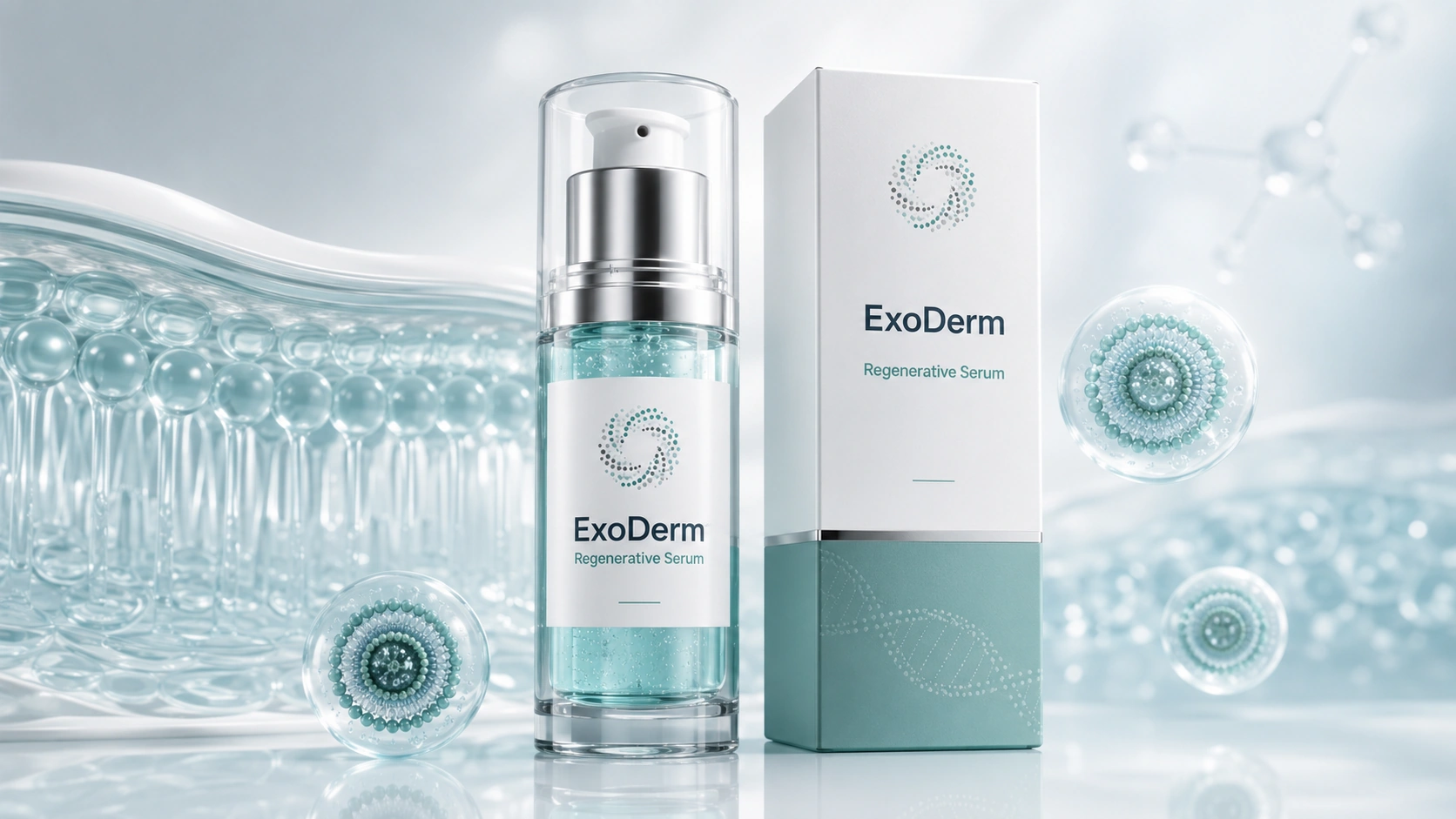
ExoDerm
A competition-based dermaceutical strategy integrating MSC-derived exosome production, LNP-assisted formulation, scalable purification, orthogonal analytical characterisation, Quality-by-Design, stability planning, and manufacturing economics.
Pharmaceuticals Science Event IPSF 2026
2nd Place - Industrial Skills Event
July 2026
Problem
Translating an MSC-derived exosome platform into a viable dermaceutical product requires addressing cell culture yield, purification purity, batch variability, formulation stability, analytical verification, and manufacturing costs in a unified strategy.
PROJECT OVERVIEW
At a glance
Product Concept
MSC-derived exosome regenerative serum
Primary Challenge
Biological variability, fragile stability, and costly scale-up
Strategic Scope
Formulation, manufacturing, analytics, QbD, stability, and economics
Target Context
Regenerative dermaceutical development
ExoDerm explores how an MSC-derived exosome serum could be translated from a biologically promising concept into a more scalable, stable, analytically controlled, and commercially accessible dermaceutical platform.
This case study presents a competition-based industrial development proposal. The formulation, manufacturing pathway, analytical methods, quality controls, stability program, economic projections, and commercial positioning were proposed rather than executed as a validated commercial product-development program.
PROJECT CONTEXT
Why exosome commercialisation remains difficult
Mesenchymal stem cell (MSC)-derived exosomes represent a promising biological approach for regenerative dermaceutical applications. However, translating extracellular vesicles from laboratory observation into a scalable commercial product presents significant industrial challenges. Biological variability between cell donor batches, complex purification requirements, analytical interference from media proteins, and rapid vesicle aggregation in liquid storage severely limit conventional development paths. ExoDerm was designed as a competition-based proposal exploring how scalable bioprocessing, formulation science, orthogonal characterisation, Quality-by-Design (QbD), and cost engineering can be integrated to overcome these translation barriers.
PLATFORM CONCEPT
Understanding the MSC-derived exosome platform
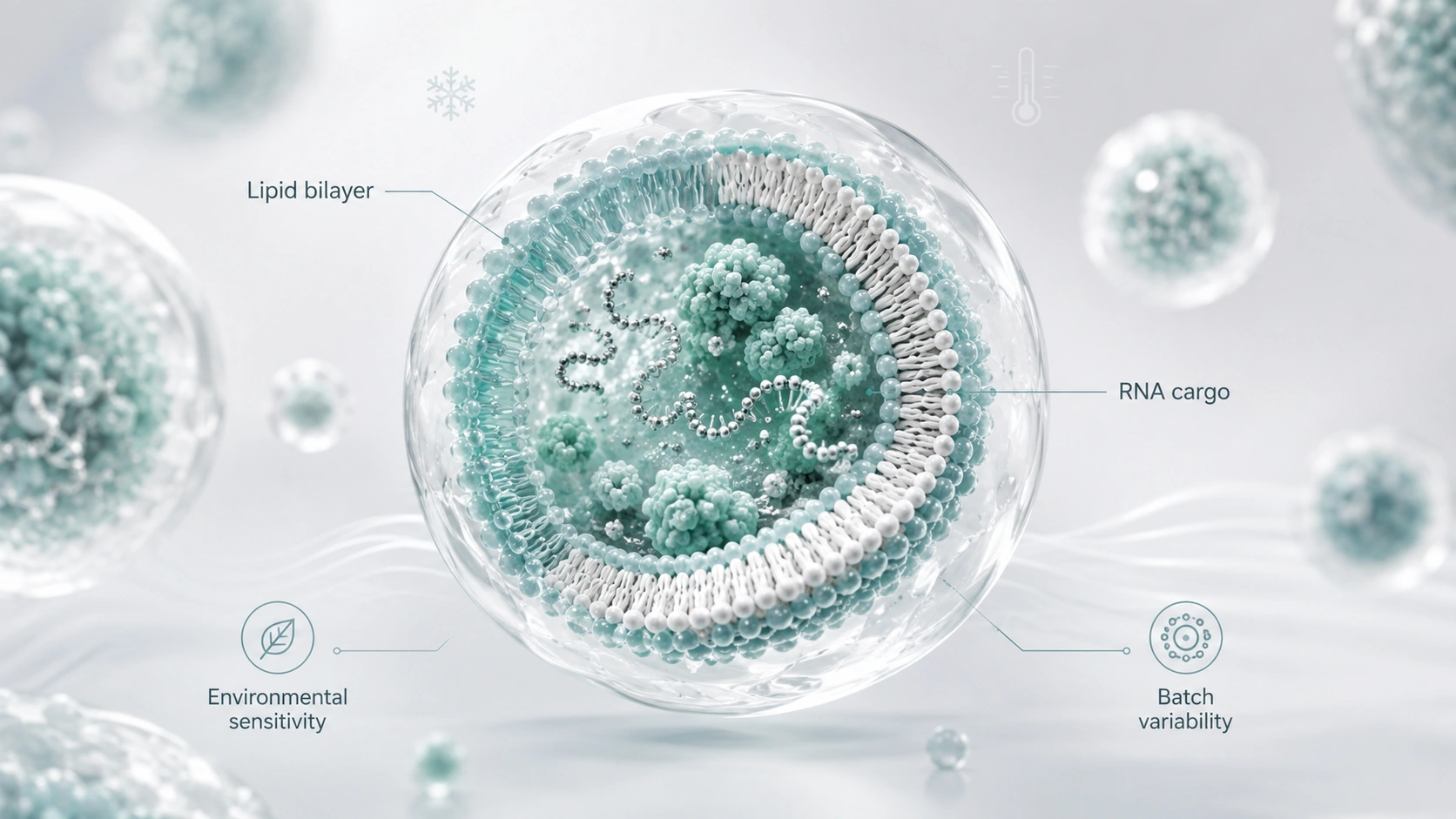
The biological platform centers on MSC-derived extracellular vesicles, nanoscale lipid-bilayer spheres secreted during stem cell expansion. These vesicles encapsulate endogenous proteins, microRNAs, and growth factors that modulate cellular signaling. Understanding their structural features, surface markers, and environmental susceptibility provides the foundation for designing downstream purification, formulation, and quality control systems.
Platform biological features
Phospholipid bilayer shell maintaining internal cargo protection
Transmembrane protein markers supporting vesicle identification
Endogenous microRNA and protein cargo involved in cellular communication
Sensitivity to thermal stress, shear forces, and osmotic disruption
Donor-to-donor and batch-to-batch heterogeneity considerations
FORMULATION STRATEGY
Formulation and excipient architecture
Maintaining exosome structural integrity and biological stability within a topical product requires a specialized formulation environment. The proposed system combines exosome vesicles with exogenous lipid components, natural humectants, and cryoprotective sugars intended to prevent aggregation, membrane fusion, and degradation during storage.
Excipient architecture components
Phosphatidylcholine and cholesterol matrix for membrane stabilization
Trehalose sugar glass matrix to protect vesicle structure during preservation
High-molecular-weight hyaluronic acid for hydration and viscoelasticity
Non-comedogenic lipid nanoparticle (LNP) carrier vehicle
Restrained pH-buffered aqueous phase matching physiological dermal conditions

MANUFACTURING SYSTEM
Proposed end-to-end manufacturing pathway
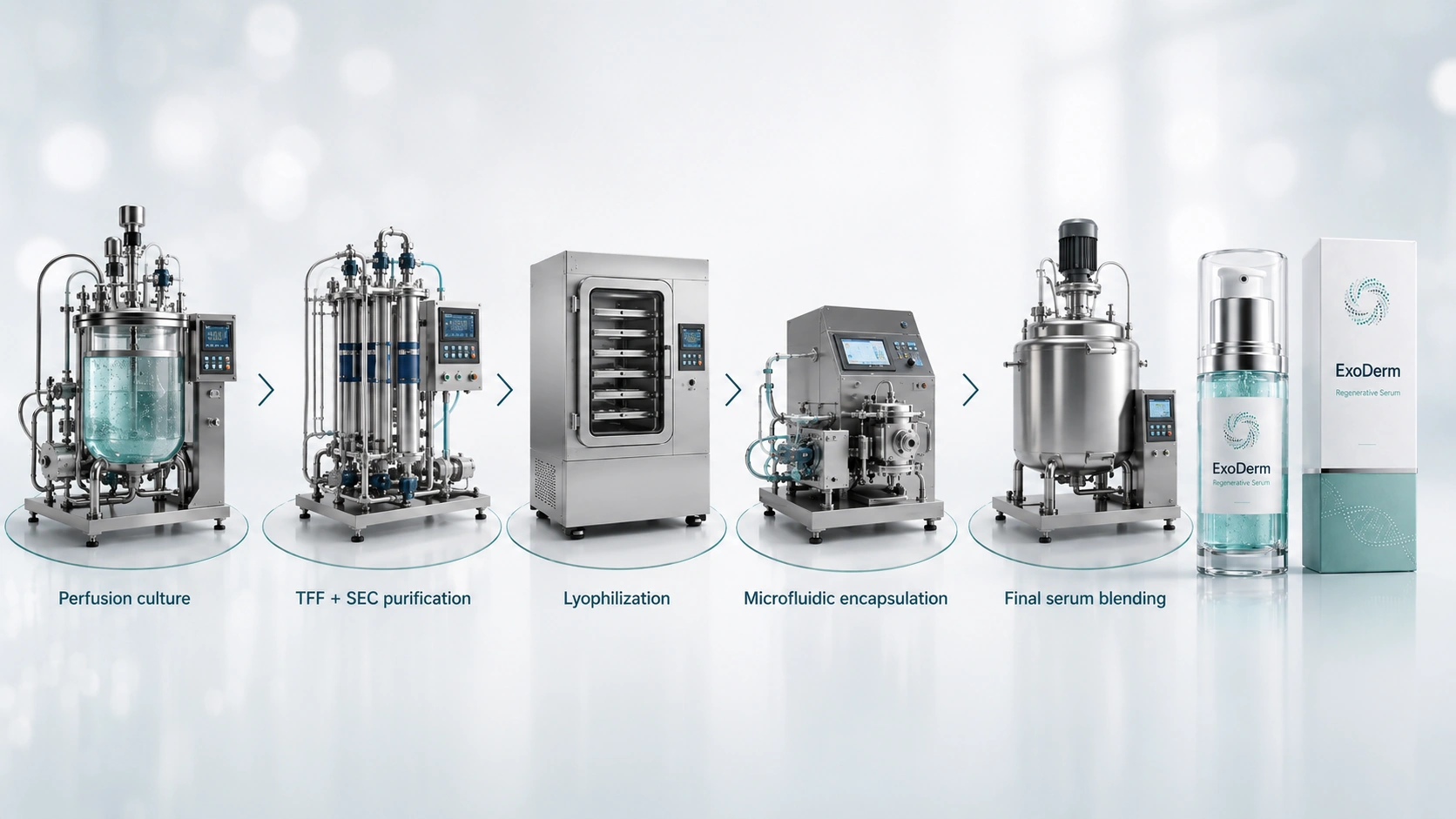
Scalable exosome manufacturing requires transitioning from manual flask culture to continuous, automated bioprocessing. The proposed manufacturing pathway integrates upstream cell culture, tangential flow filtration, size-exclusion chromatography, lyophilization, microfluidic encapsulation, and final sterile serum compounding into an automated production pipeline.
Five-stage production sequence
Stage 1: Perfusion bioreactor culture for high-density MSC expansion and vesicle harvest
Stage 2: Tangential Flow Filtration (TFF) and Size-Exclusion Chromatography (SEC) purification
Stage 3: Lyophilization preserving exosome cake stability under controlled conditions
Stage 4: Microfluidic encapsulation into protective LNP-serum matrices
Stage 5: Final aseptic blending, airless bottle filling, and secondary packaging
ANALYTICAL CONTROL
Orthogonal analytical characterisation
Evaluating exosome quality requires orthogonal analytical tools capable of resolving vesicle size, concentration, identity, purity, and functional activity without cross-interference.
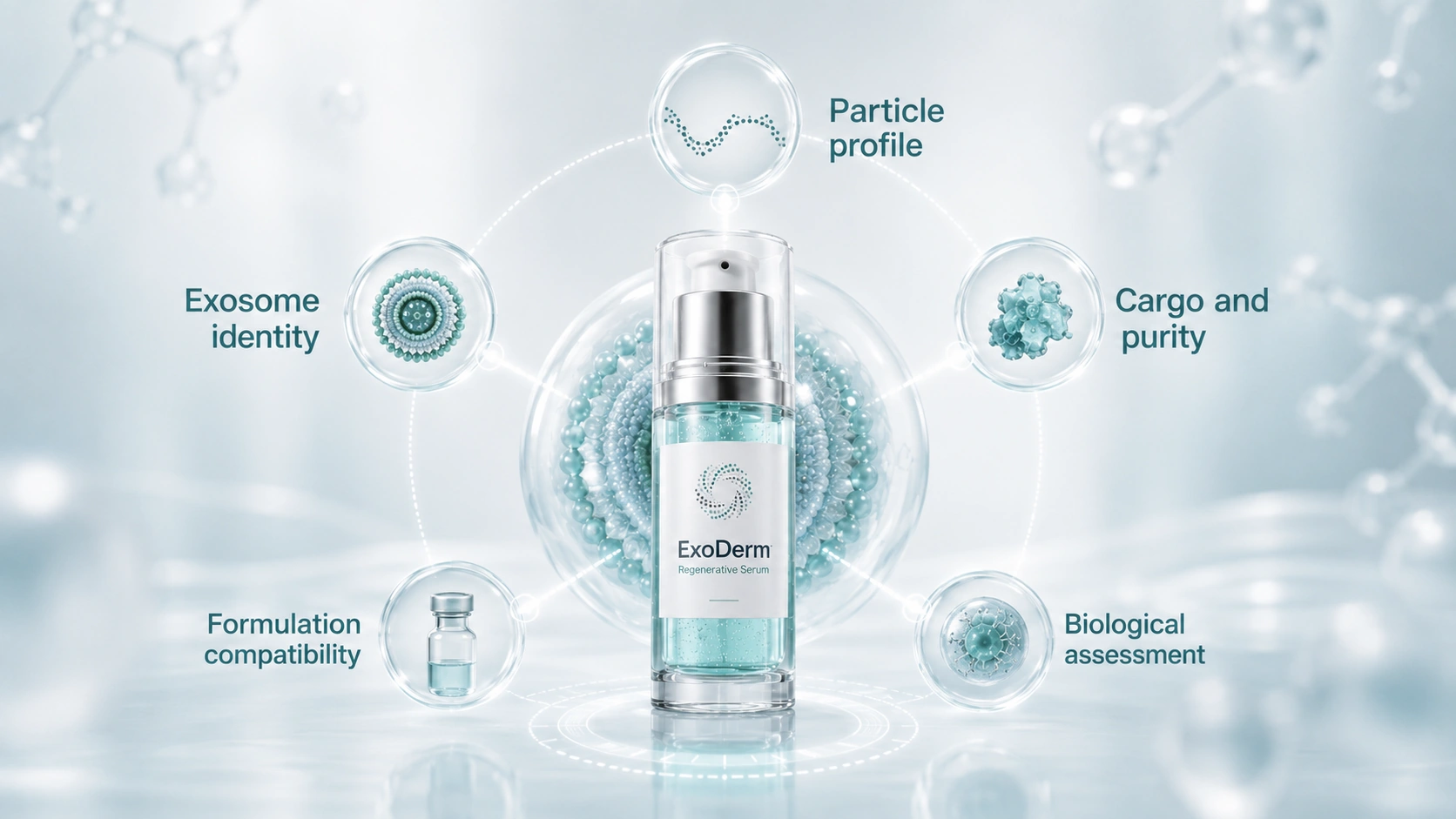
Orthogonal testing domains
Particle profile: Nanoparticle Tracking Analysis (NTA) and Dynamic Light Scattering (DLS)
Exosome identity: Western Blotting and ELISA for tetraspanin surface markers
Cargo and purity: Microfluidic capillary electrophoresis and total protein-to-particle ratios
Formulation compatibility: Zeta potential, viscosity profiling, and membrane integrity testing
Biological assessment: In vitro cellular uptake assays and reporter gene activity
QUALITY STRATEGY
Quality-by-Design and stability strategy
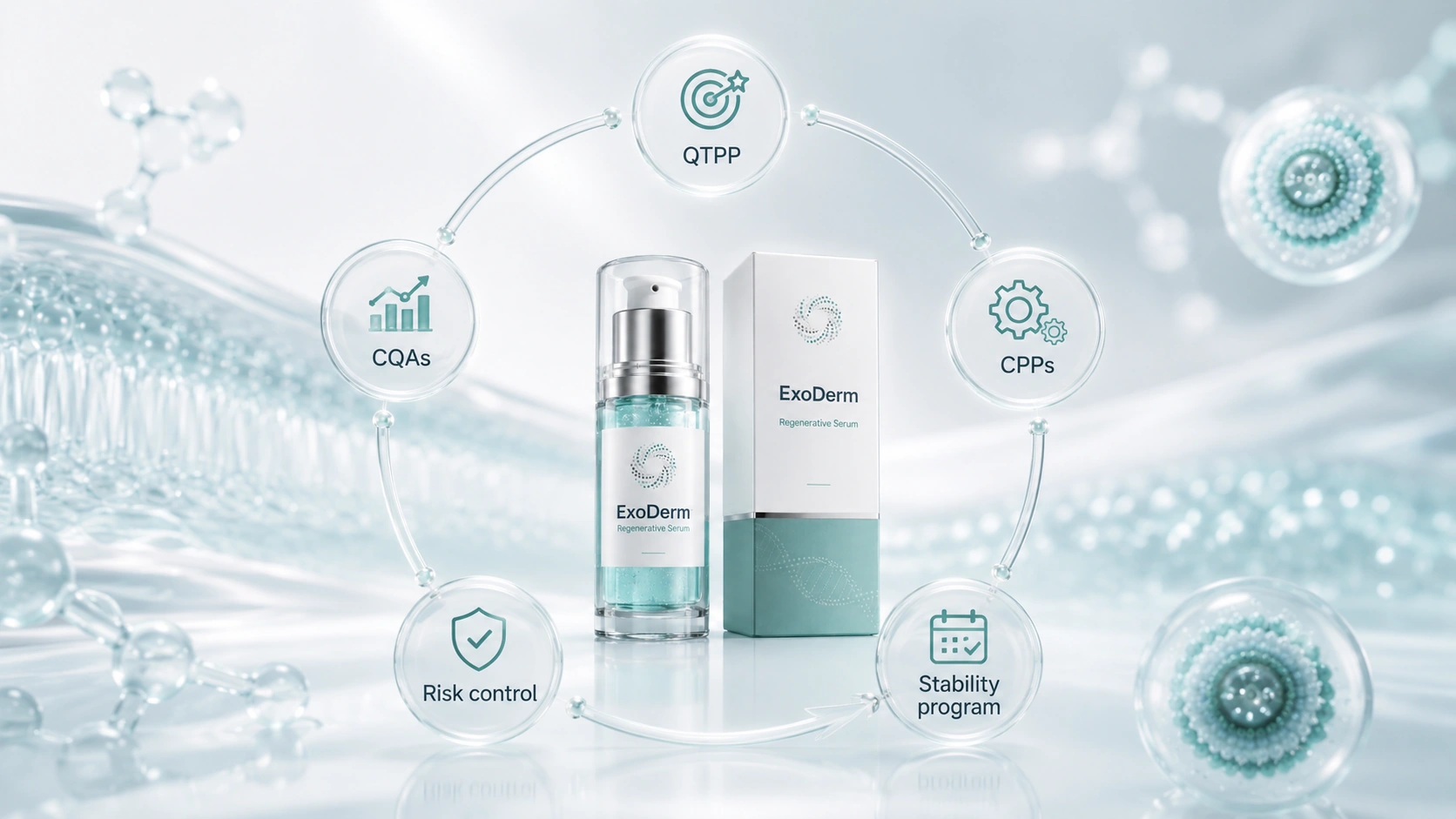
A Quality-by-Design (QbD) approach links product performance requirements to process parameters and critical quality attributes. Establishing a clear Quality Target Product Profile (QTPP) ensures that process controls, risk management, and stability protocols are systematically aligned throughout the product lifecycle.
Quality and stability elements
QTPP definition: Defining target dosage, sterility, stability, and sensory characteristics
CQAs identification: Particle size distribution, vesicle concentration, purity, and bioactivity
CPPs control: Bioreactor feed rate, TFF trans-membrane pressure, and freeze-drying shelf temperature
Risk management: Failure Modes and Effects Analysis (FMEA) for process parameter deviations
Stability program: Proposed ICH-aligned real-time, accelerated, freeze-thaw, and photostability testing
ACCESS STRATEGY
Scalability and access strategy
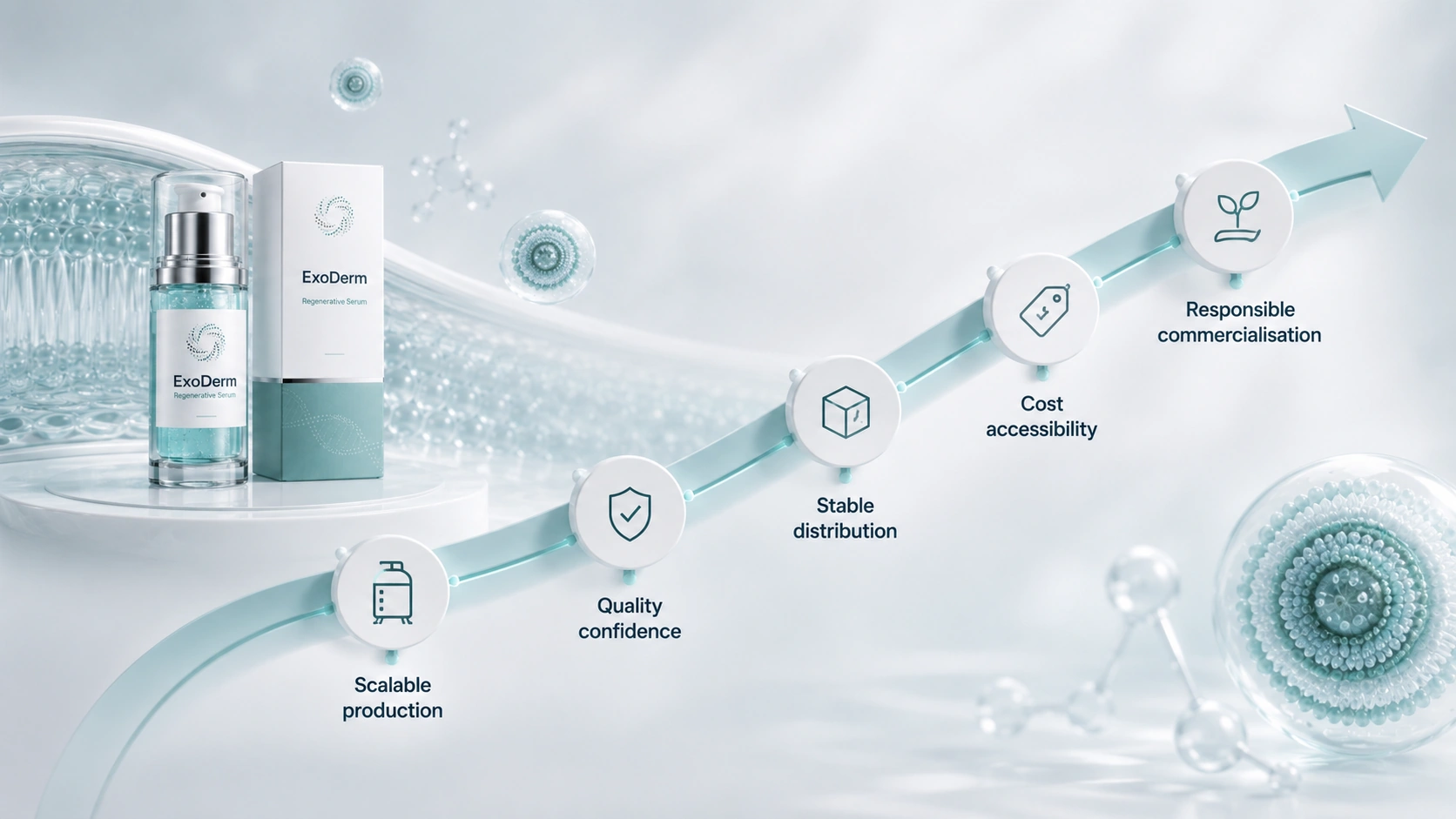
Translating advanced biotechnology into accessible dermaceutical products requires balancing high manufacturing standards with economic feasibility. The access strategy provides a multi-pillar framework to guide future process optimization, quality communication, supply chain distribution, and responsible market entry.
Five strategic pillars
Scalable production: Automated perfusion culture and continuous purification scaling
Quality confidence: Rigorous batch release testing and transparent analytical documentation
Stable distribution: Airless packaging and cold-chain/ambient shipping stability validation
Cost accessibility: Process yield optimization and raw material cost reduction strategies
Responsible commercialisation: Clear consumer communication, evidence-based marketing, and ethical sourcing
FINAL CONCEPT
Project outcome
ExoDerm translates a complex exosome-based dermaceutical concept into an integrated industrial-development framework spanning formulation design, scalable manufacturing, orthogonal analytics, Quality-by-Design, stability planning, manufacturing economics, and access strategy.
No clinical, regulatory, manufacturing-scale, commercial, or finished-product validation was completed as part of this competition-based proposal.
Contribution
Bioprocessing sequence design, LNP formulation architecture, Quality-by-Design framework synthesis, orthogonal analytical plan formulation, and commercialisation strategy as lead author.
Reflection
Demonstrated that complex extracellular vesicle therapeutics require pairing biological potential with rigorous bioprocessing, analytical control, and quality systems to achieve commercial viability.